2026-10-17 ·
How to Prevent Ice Dams and Winter Roof Damage in St. Joseph, MO
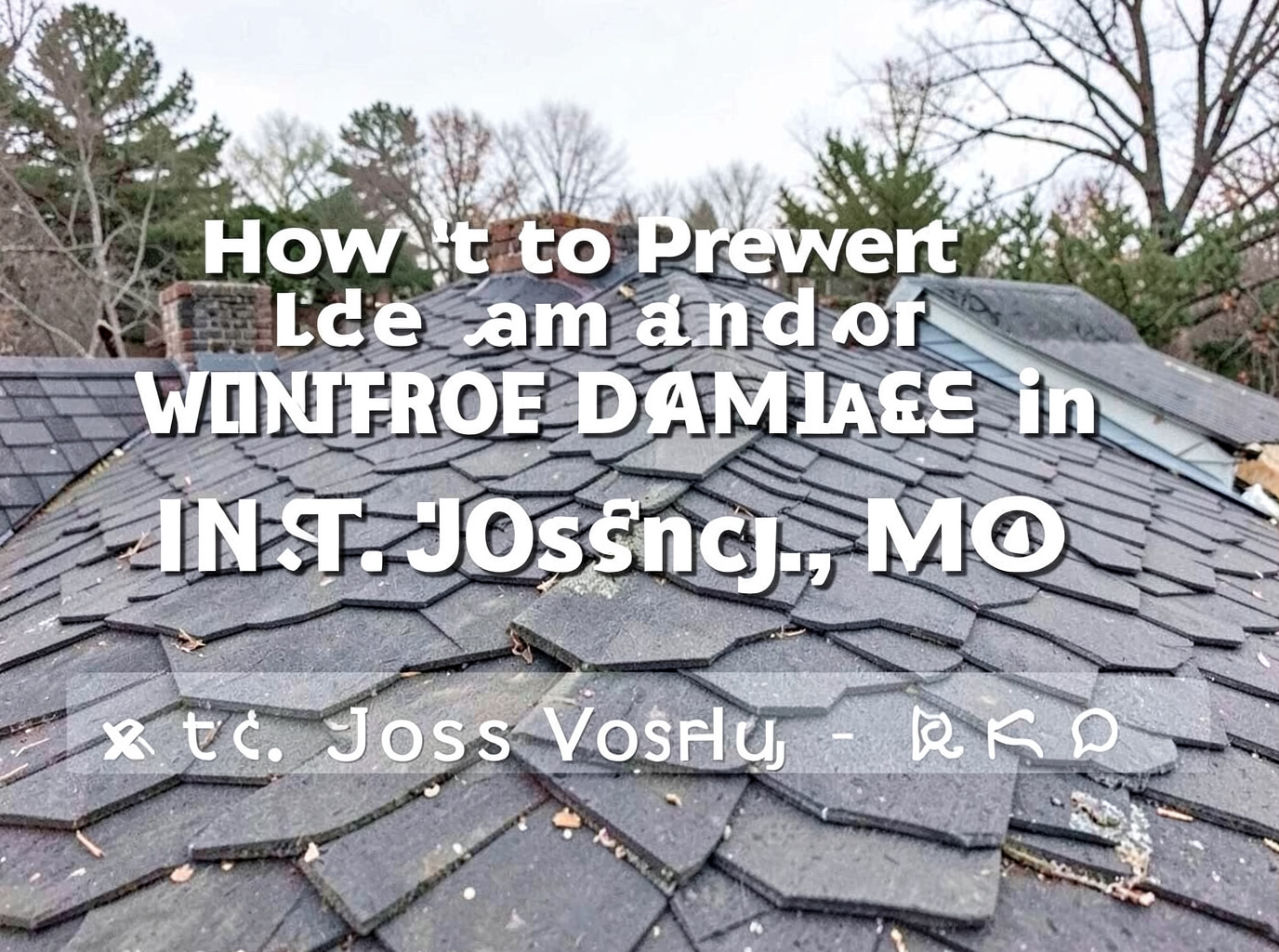
Preventing ice dams in St. Joseph, MO begins with keeping attic temperatures below freezing so snow melts evenly off the roof instead of refreezing at the eaves. Older housing stock in Central St. Joseph and Museum Hill often lacks modern insulation levels, which allows heat to escape and form the exact conditions that build dams along gutters and valleys.
Understanding Ice Dams on St. Joseph Roofs
St. Joseph homes built before the 1980s in areas such as Hyde Park and East Side commonly have smaller attic spaces and single-layer insulation that lets warm air rise to the roof deck. When daytime highs reach the mid-30s followed by overnight drops below 20, any melted snow refreezes at the colder eaves and creates a ridge that backs water under shingles. This pattern repeats across North St. Joseph and South St. Joseph because the same wind patterns and tree cover trap snow on north-facing slopes. Homeowners who notice water stains near second-floor ceilings after the first hard freeze already have early dam formation underway.
Improving Attic Insulation and Ventilation
Adding insulation to reach R-49 or higher in the attic floor cuts the heat flow that melts snow unevenly. Ridge and soffit vents must stay unobstructed so cold air can enter at the eaves and exit at the peak, keeping the entire roof deck closer to outdoor temperatures. In Downtown St. Joseph homes with finished attics, baffles between rafters prevent insulation from blocking airflow. These steps reduce ice dam formation on asphalt shingle roofs by limiting the temperature differential that drives the melt-refreeze cycle.
Clearing Gutters and Downspouts Before Winter
Leaves and debris from local trees collect in gutters along West St. Joseph and Savannah properties, narrowing the channel so even small amounts of meltwater overflow and freeze at the roof edge. Scheduling gutter and downspout repair before Thanksgiving removes the buildup that turns minor runoff into dam material. Homeowners should also verify that downspouts extend at least five feet from the foundation to keep water from refreezing against the lower courses of shingles. The related guide on why gutters matter for your roof explains how proper flow prevents the same backups that lead to interior leaks.
Scheduling Roof Inspections After Early Storms
A post-storm check after the first snow or ice event catches missing shingles or lifted flashing before repeated freeze-thaw cycles enlarge the openings. Roof inspection after a storm performed from the attic and exterior reveals heat loss points and damaged underlayment that contribute to dam formation. In Country Club and Platte City homes with steeper pitches, inspectors pay special attention to valleys and penetrations where snow drifts deepest. Early findings allow targeted repairs rather than full replacement once spring arrives.
Knowing When Professional Help Is Needed
When water appears inside during a January thaw or when ice hangs more than six inches past the gutter line on multiple sides of the house, a roofing contractor should evaluate the roof deck and attic conditions. Attempting to remove ice with hammers or chemicals risks further shingle damage on older St. Joseph roofs. Owners in Atchison and Wathena who have already added insulation yet still see recurring dams benefit from a contractor assessment of ventilation paths and possible heat sources such as recessed lights or ductwork in the attic.